






-
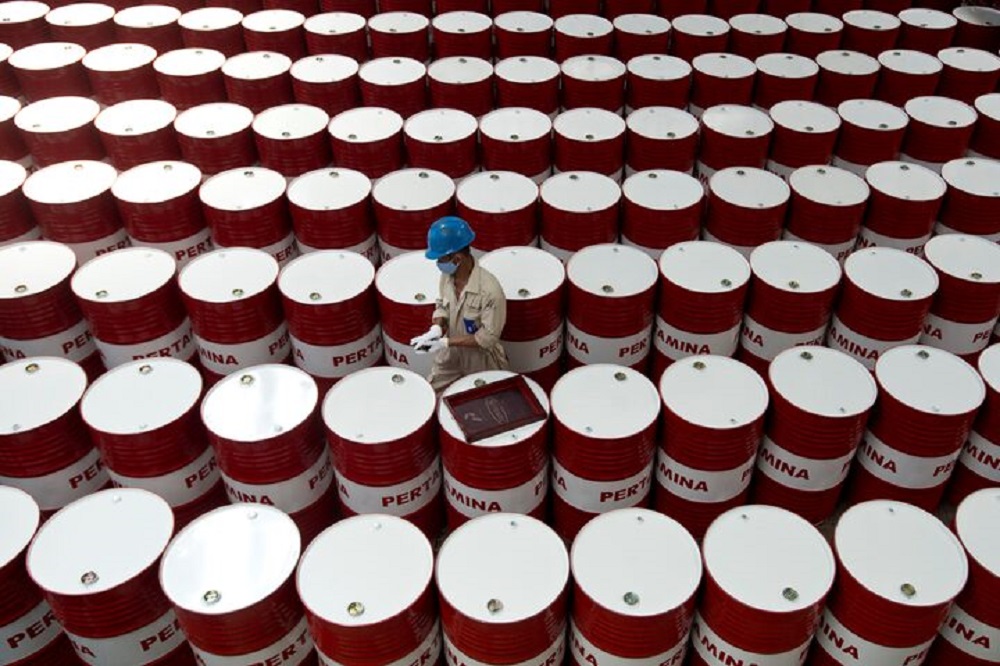
Barrels of oil.
Old Mutual Investment Group says South Africa’s structural reform and growth path could be delayed by 12 to 18 months due to geopolitical shocks.
This comes as tensions in the Middle East continue to drive oil price increases.
Investment analyst Sisa Kobus expects inflation to average closer to 4% from April, up from the current 3.1%, and anticipates that the central bank could implement a 50 basis point interest rate hike.
Kobus says the country’s growth path faces a delay rather than a derailment, with oil shocks expected to place pressure on inflation and consumers.
According to Statistics South Africa, March 2026 inflation rose to 3.1%, up from 3% in February.
Kobus believes this will be the last data point before the full impact of geopolitical tensions is reflected.
“From April onwards, we’ll start seeing the impact of the increase in oil on inflation, so our sort of profile went from averaging around 3% to averaging closer to to 4%. And there we have pencilled in oil obviously spiking to closer to $120 in April, and that kind of moderating to around $90. So still quite elevated and in that scenario, we think inflation is significantly above target, such that to avoid being entrenched and going into second round effects, the central bank is going to have to increase the policy rate. And that’s why our base case is that they’ll increase rates by 50 basis points. So two sorts of increases of 25 and not a once-off,” says Kobus.
Video | Fuel Price Outlook | May 2026 fuel price projections
On the R3 fuel levy relief introduced at the start of April, Kobus says an extension could be affordable if the National Treasury decides to continue the measure for another three months.
“In the budget in February, the national treasury, we believe, was quite conservative. They didn’t pencil in any additional revenue from the mining, commodity windfall, from PGMS, so they were quite prudent, and we think that still will come through, and that will sort of be able to finance this if they continue to support the consumer for three months as we expect. And I think just one month, I mean, as you highlighted with other market participants saying one month is not going to be sufficient,” says Kobus.
He says, “Already this month we’re looking at an increase of close to, I think last I checked was R2.30 for May. So if you add the R3 to that R2.30, that’s closer to R5.30, and that kind of defeats the purpose of providing the support in the first place. So as long as they can afford it, I think they should offer the support to consumers”
Kobus says higher-income consumers with exposure to variable credit, including vehicle finance and mortgages, are likely to be affected by the rising inflation and interest rates.