




-
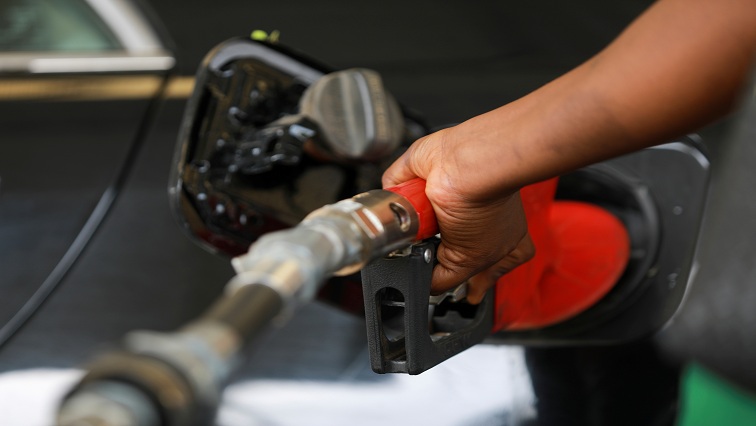
A petrol attendant is filling up a vehicle.
The Automobile Association of South Africa (AA) has raised concerns over rising fuel prices and the knock-on effect of fuel surcharges across multiple industries.
AA Chief Executive Officer Bobby Ramagwede attributes the pressure to ongoing tensions between the United States and Iran, which have disrupted global crude oil supply and contributed to a record fuel price adjustment by South Africa’s Department of Mineral and Petroleum Resources.
Earlier this month, local motorists were affected when the price of petrol increased by R3.06 per litre, while diesel rose by R7.37.
Ramagwede says motorists could face further increases, citing South Africa’s limited fuel reserves as a key vulnerability in a volatile global market.
“There is cause for concern about the basic fuel price. However, we do have mechanisms and levers within the state to cushion the blow for consumers further. We are quite cognisant of and supportive of the fact that the treasury was willing to reduce fuel taxes. I anticipate that the treasury will further reduce these taxes and continue to implement this tax reduction for as long as we see protracted conflict in that region resulting in elevated oil prices,” Ramagwede says.
He says, “Crude oil supply is not our issue. Our issue is the supply of refined fuel. Given our limited capacity to refine oil ourselves, we find ourselves having to import fuel. The challenge there is that all of this fuel that we’re importing is being imported at a ruling price, i.e. it’s being imported at a ruling price. It’s fuel that’s refined off the back of expensively purchased oil. And that’s what gives rise to the increase in the fuel price. Had we had sufficient reserves, we would have been able to refine far cheaper crude oil had we also started a refining program at the beginning of the conflict”.
Fuel Price Outlook | May 2026 fuel price projections