-
International Monetary Fund (IMF) logo is seen outside the headquarters building in Washington, US.
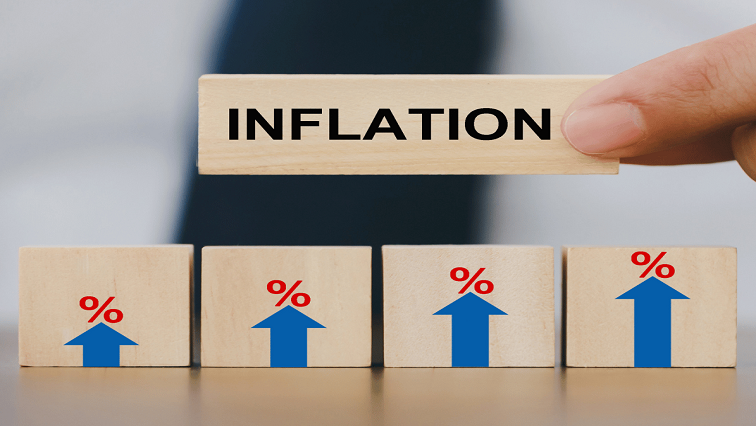
The International Monetary Fund (IMF) expects subdued global economic growth resulting from the war in the Middle East which has pushed up oil and energy prices.
As the multilateral financier prepares to host ministers and central banks for the annual IMF Spring Meetings in Washington next week it stresses the importance of maintaining prudent fiscal and monetary policy amid the uncertainty.
It has warned governments against offering any unsustainable relief measures limited to temporary support measures for the vulnerable.
The IMF has encouraged policymakers and central banks to take a wait-and-see approach as most economies grapple with supply disruption caused by the US-Israeli and Iran war in the Middle East.
IMF Managing Director Kristalina Georgieva says a global economic growth downgrade is on the cards while threats of food insecurity and higher near-term inflation are on the rise.
“What we do know is that growth will be slower even if the news peace is durable. We also know that there are different variations of the impact of this shock around the world. Countries able to export oil and gas around the world are the least affected, in contrast, countries directly disturbed by the war including oil and gas exporters who suffered the blockade and countries relying on imported oil and gas bear the brunt of the impact.”
Georgieva emphasised that most countries are grappling with high debt levels and therefore should only aim for targeted and temporary fiscal support for the most vulnerable. She says central banks need to stand ready to increase interest rates should inflationary pressure prevail.
“For now there’s value in waiting and watching with central banks stressing their commitment to price stability, but otherwise staying on hold with a stronger bias to action if credibility is in question, fiscal authorities should provide with their medium term fiscal frameworks. If inflation expectations threaten to break anchor and ignite a costly inflation spiral, the central banks should step in firmly with rate hikes.”
The IMF notes that the war has had a negative impact on both importers and exporters of Brent crude oil.
The impact on Sub-Saharan Africa will be addressed in detail during the IMF Spring Meetings next week.
VIDEO | Stocks closed sharply higher on Wednesday after a two weeks ceasefire agreement between US and Iran:
– Report by Naledi Mabitsela