




-
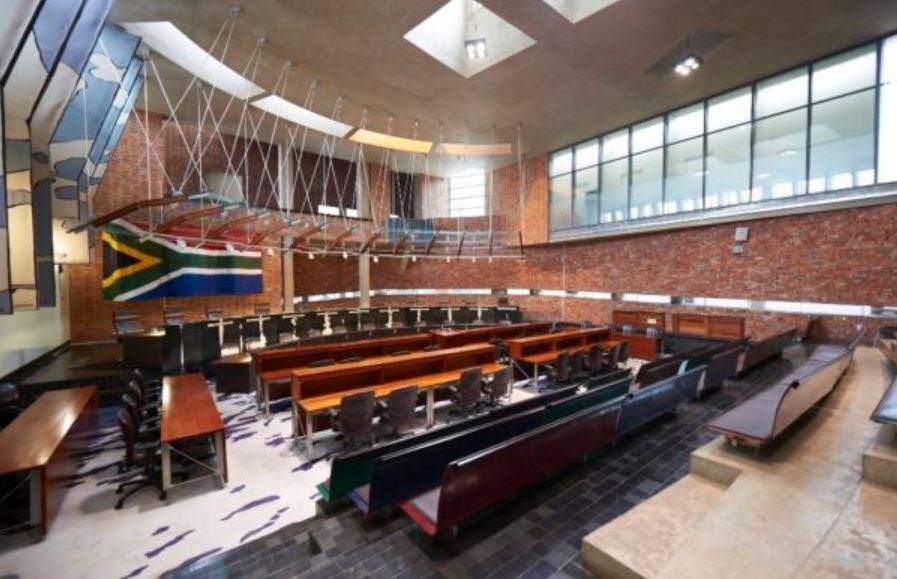
FILE| Inside the Constitutional Court in Braamfontein in Johannesburg.
The Constitutional Court of South Africa has upheld a ruling striking down Sections 36 to 40 of the National Health Act, dealing a setback to government’s healthcare reform plans.
The provisions would have required healthcare providers to obtain a Certificate of Need from government before opening practices or expanding services.
Solidarity successfully challenged the provisions in the Pretoria High Court in 2024, arguing they were unconstitutional.
The apex court has now confirmed that ruling, finding the requirements irrational.
VIDEO| Constitutional Court declares parts of National Health Act invalid:
The judgment comes as the South African Medical Association (SAMA) warned that staffing shortages and deteriorating infrastructure are placing increasing pressure on the public healthcare system, particularly in rural areas.
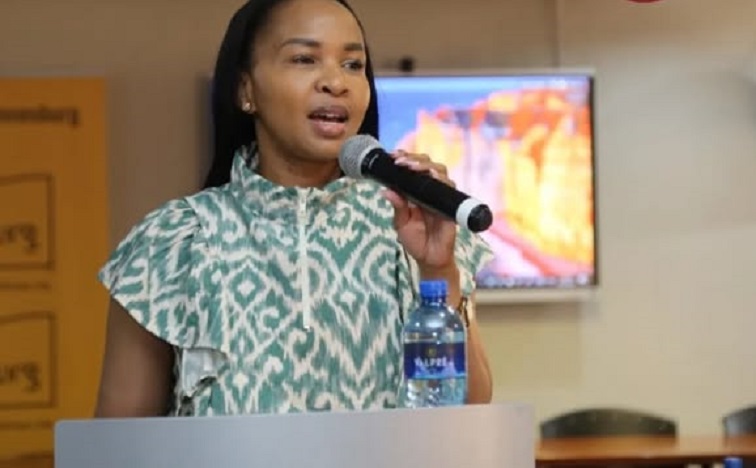
Speaking at a media briefing in Durban, SAMA vice chairperson Zanele Bhikitsha said chronic underfunding remains one of the biggest challenges facing the sector.
“The biggest crisis that we are facing is dealing with the funding. That covers the staffing shortages that we currently have, where you know, there’s a moratorium on filling of posts, you know, people are not able to transfer and go to different areas.”
Bhikitsha says shortages are affecting the quality of healthcare being provided.
“So it affects even the staffing on the ground, you know. If you’re only going to have, you know, one doctor per 2,000 people, how are you managing, you know, those large queues, those volumes, and what kind of quality care are we rendering to our patients? And we’ve seen it, unfortunately, where it could end up in patient death.”
SAMA says at least 1 800 junior doctors who have completed community service remain unemployed because provincial health departments do not have budgets to absorb them.
SAMA chairperson Mvuyisi Mzukwa says South Africa is not yet ready to fully implement the National Health Insurance system.
“South Africa is not ready at the moment for the reasons that have been outlined previously. The first one being that we have a serious challenge of leadership and governance.”
“It has been highlighted by many institutions that South Africa does not just have a money problem. It has got a leadership and governance problem.”
Mzukwa says government also needs to address staff shortages, infrastructure decay and inequalities between rural and urban healthcare facilities.
Meanwhile, SAMA CEO Mzulungile Nodikida says technology and artificial intelligence could help improve healthcare access in remote areas.
“With AI now, you could have a specialist sitting anywhere in the country, connecting with a nurse or a doctor in the deep rural areas. All we need to do is to invest on technology and internet access to those clinics, so we can literally remotely connect the clinic to a teaching hospital.”
Nodikida says South Africa also needs a universal electronic health record system to improve patient care across facilities nationwide.