

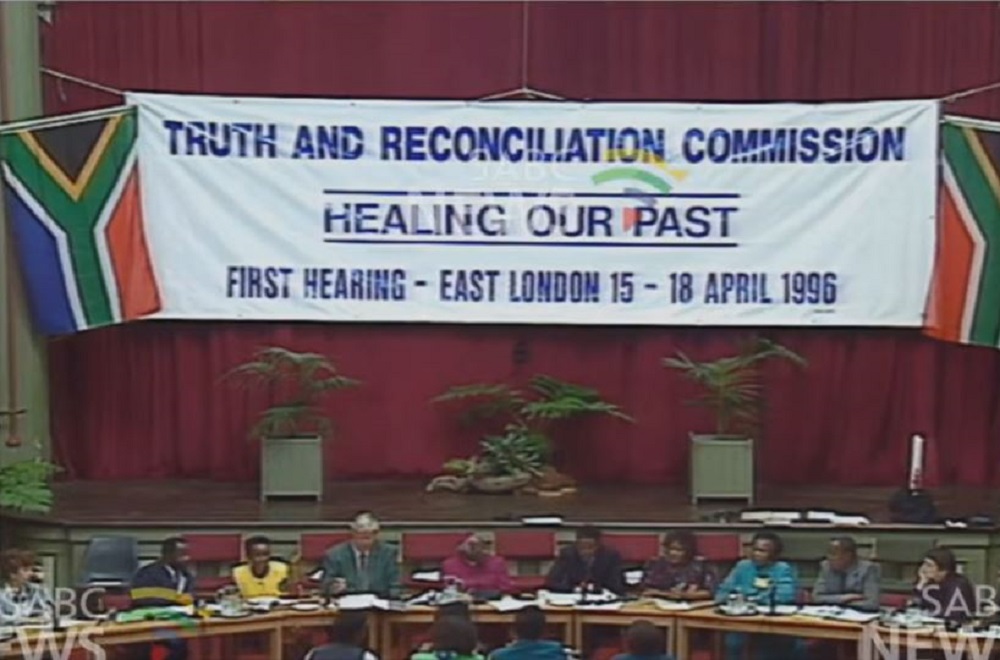
Thirty years ago, South Africa witnessed the first hearings of the Truth and Reconciliation Commission (TRC). The TRC was established in 1996 to uncover the truth about the apartheid’s regime severe human rights atrocities that took place, from March 1960 to May 1994.
During the apartheid era, the National Party regime committed atrocities, which included murder, torture and enforced disappearances. However, that did not deter the oppressed people from fighting for their freedom.
In 1966, the UN General Assembly declared apartheid a crime against humanity. During the negotiations to end apartheid, it was agreed that reconciliation was essential to guarantee a non-racial democracy and ensure stability. This led to the establishment of the Truth and Reconciliation Commission, chaired by the late Archbishop Desmond Tutu.
Ndwede victims
In Ndwede, Kwazulu-Natal, the victims tell their story thirty years on. The old dark days have passed, but they still remember the horrific experiences.
Deputy minister of Public Works and Infrastracture, Sihle Zikalala comes from this community.
“The scars were deep. the violence that affected our townships in Kwazulu Natal, in Gauteng and all areas came from the 1985 state of the emergency by the regime which sort to suppress the liberation struggle,” says Zikalala.
President Cyril Ramaphosa says the government is committed to implementing the TRC recommendations.
“United Nations having declared slavery, the enslavement of people was a crime against humanity and deserves and requires reparations so to us this confirms that reparations as recommended by the Truth and Reconciliation Commission just confirms that South Africa was on point, it was correct to come up with such a recommendation,” says Ramaphosa.
Government launched the long-awaited Truth and Reconciliation housing assistance programme in Ndwedwe, north of Durban, which will benefit thousands of beneficiaries.
Reflecting on 30 years of the TRC: Prof Saths Cooper weighs in