





-
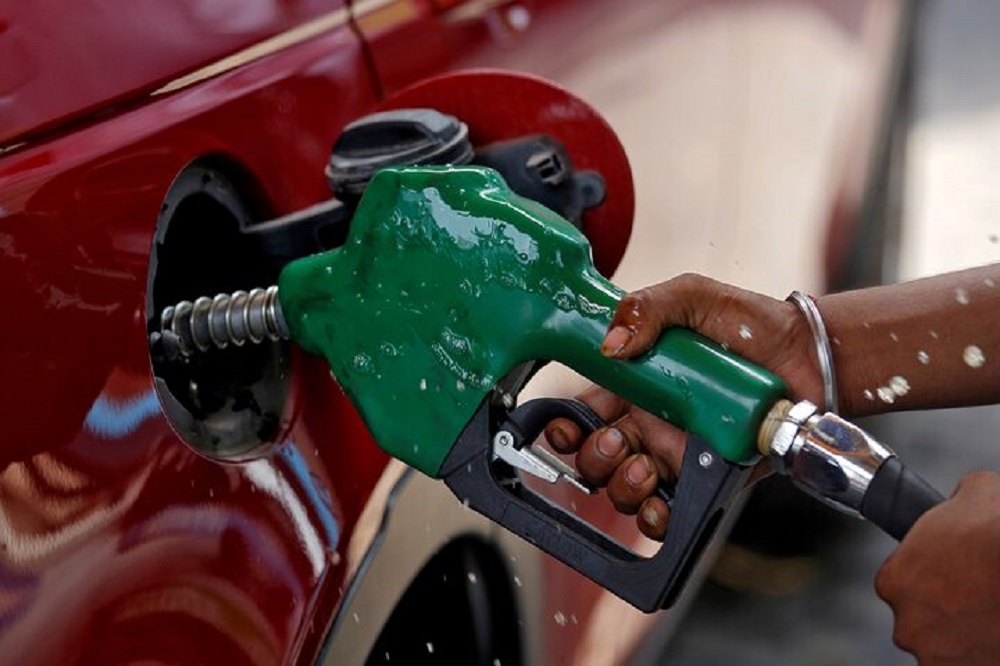
An attendant pours petrol into a car.
The National Taxi Alliance is calling on the government to devise means to cushion the heavy blow set to hit consumers and the minibus taxi sector in April. This comes as petrol prices are set to surge amid America and Israel’s ongoing war with Iran.
Speaking to the SABC at the Bara taxi rank in Soweto, the alliance’s spokesperson, Theo Malele, says if the government fails to come to the table, taxi fare adjustments are inevitable.
Commuters Khethiwe Khoza and Vusi Nkomo are bracing themselves for the biggest taxi fare increase in history. Nkomo says the increase in fuel prices will lead to higher food prices as well as scholar transport costs, which will empty their pockets.
“The matter of taxi fare increases is unfortunately beyond the taxi industry’s control. We all know that the war between the US, Israel and Iran has played a huge role in the fuel and diesel price hikes, since we import these commodities. There is nothing we can do but struggle even harder,” says Nkomo.
“This matter is really painful because expenditure costs are rising, while salaries are not increasing. Food prices will also go up, as well as scholar transport costs. It is a heavy burden on our shoulders, especially for my kids who are enrolled in schools far from home, which might force them to change schools or even be unable to continue their education,” adds Khoza.
WATCH | Taxi commuters have raised concerns over the looming fuel hikes due to the ongoing Middle East conflict, saying higher costs will impact their daily lives. Full interview available now on the SABC News YouTube channel. pic.twitter.com/eDPmvKEnUa
— SABC News (@SABCNews) March 29, 2026
The anticipated fuel hike is likely to impact transport costs in the worst scenario than ever before due to the escalating geopolitical conditions in the Middle East.
Malele says price increases for their customers are not fair, considering that they ferry the poorest of society, who are also facing high food and electricity costs.
“We are really cognisant of the fact that we ferry the downtrodden—the poorest of the poor—who are already spending 60% of their disposable income on public transport. This is just not fair, and we call on the government to assist in reducing some of the levies on fuel,” says Malele.
The latest data from the Central Energy Fund forecasts monumental fuel price increases, starting on Wednesday, the 1st of April. Data suggests increases of more than R5.70 per litre for petrol and nearly R10 per litre for diesel, driven by high international oil prices and a weaker rand.
VIDEO | Fuel hikes threaten taxi fares as industry warns of ripple effect on commuters
https://www.youtube.com/watch?v=Lc5ALbO44ZY