





-
Residents fear for their health as illegal dumping persists in the area
Illegal dumping continues to pose serious health and environmental risks in many parts of Johannesburg.
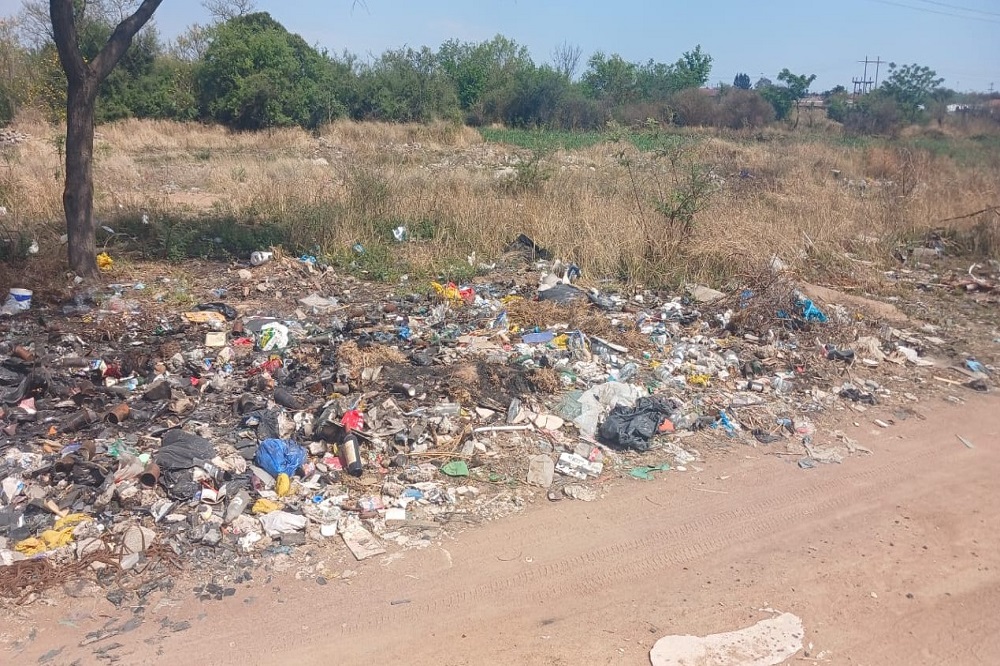
Residents in parts of Soweto say illegal dumping near their homes is making them sick and turning their neighbourhoods into health hazards.
They blame the municipality for failing to remove the waste, while the municipality blames the residents for a lack of accountability and continuously dumping in non-designated areas.
Environmental experts warn that the problem poses serious risks to both people and the environment.
Piles of rubbish dumped in open spaces near homes have become a daily struggle for residents in parts of Soweto.
They say the waste attracts rats, produces an unbearable stench and has led to elderly people and young children falling ill.
Resident Thoko Mdluli, who lives close to an illegal dumping site, says her health has been severely affected.
WATCH | Residents of Mataffin, Mbombela, are dealing with serious health hazards as sewage overflows into their homes and yards, especially when it rains. The local councillor says efforts are underway to address the problem. pic.twitter.com/txPxd6Ojg5
— SABC News (@SABCNews) January 7, 2026
“The unbearable smell is seriously impacting our health, particularly the youth and elderly in our community. We cannot comfortably sit or spend time outside our homes because of it. The conditions are dire, and I have since developed Tuberculosis due to this situation,” says Mdluli.
Environmental scientist Professor Khangwelo Musetsho says living close to illegal dumping sites can have serious and long-term health consequences. He warns that illegal dumping has far-reaching consequences for both people and the environment.
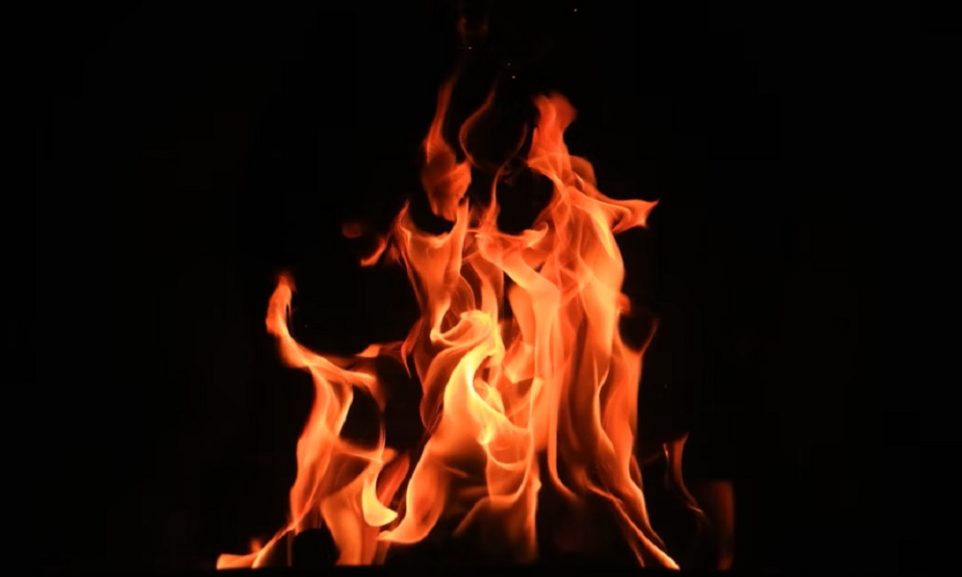
“The combination of this water and some organic material can lead to a foul smell in that area. That water, which accumulates in the area, sometimes attracts mosquitoes, flies, and rodents. These creatures can carry diseases to nearby houses. Unfortunately, at some of these illegal dumping sites, people try to clean up themselves or sometimes burn the waste, and the smoke from some of the materials being burned can cause irritation to communities. Sometimes you find bottles and sharp objects in these areas, and kids usually play there, putting them at risk of getting hurt,” says Musetsho.
Ward 46 councillor in Soweto, Dumisani Modladlaba, says a lack of environmental education and irresponsible behaviour are major drivers of illegal dumping. He urges communities to take responsibility for their environment.
“It can’t be that each and every month the councillor must come and do the campaign of cleaning up, whilst other people are coming every night and dumping their rubbish. It’s wrong. It’s been years that this has been happening, and when you tell them to stop, they tell us that we don’t own the land and they can do whatever they want. So I think we need to educate them more about illegal dumping,” says Modladlaba.
The City’s waste collection entity, Pikitup, says it is intensifying efforts to deal with the problem.
Pikitup spokesperson Anthony Selepe says the entity clears more than 2000 recurring illegal dumping sites across Johannesburg every year, at a cost of about R70 million.
‘We have increased the collection frequency in targeted areas, especially in Alexandro, so that illegal dumping should be reduced. We are providing, from our 42 current sites, a service of collection of garden waste so that people have somewhere to take their garden waste. We have bought trucks to help mitigate the problem and address all the challenges, so that when it recurs, we can deal with it. For a long-term response to the issue, we are in the program called separation at source, which is more about reducing the waste that would go to our landfill sites,” says Selepe.
Illegal dumping remains a serious challenge in many Johannesburg communities, as residents and authorities continue to point fingers over who is responsible for keeping communities clean and safe.