



-
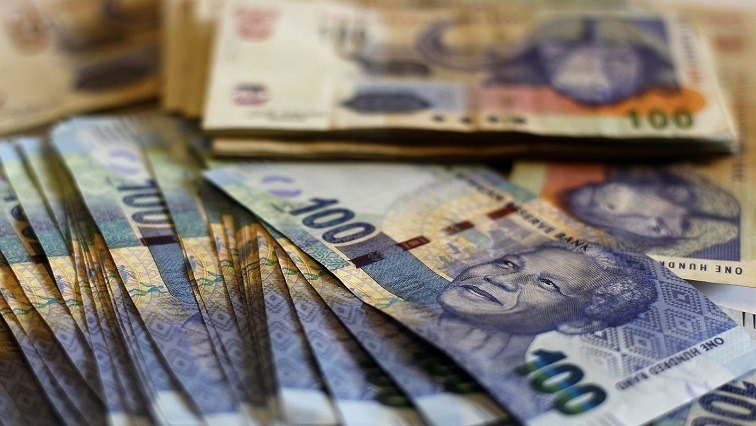
South African money
South Africa’s economy has seen some headwinds and volatility in 2025, however, there have been some silver linings. The year opened with uncertainty as the tabling of the annual national budget was postponed three times due to a lack of consensus among members of the government of national unity (GNU).
Even so positive developments emerged as seen in statistical data points tracking the country’s economic activity.
Despite a turbulent start characterized by uncertainty about government spending priorities amid rising debt pressures, and revenue constraints, the economy showed some resilience. Endurance was demonstrated in three consecutive quarters of economic growth mainly supported by improvements in manufacturing, mining and trade output.
Chief Economist at Econometrix, Dr. Azar Jammine says implementation in some structural reforms is taking effect and improvements in the economic trajectory are notable.
“We saw an upturn in gross fixed capital formation for only the second time in nine quarters. One has to reiterate that you cannot get higher sustainable economic growth if you don’t invest more in the economy. Instead, for many years, we’ve been investing less and less, but the most recent figures show a slight turnaround and improvement. We have also seen South Africa being lifted off the grey list by the Financial Action Task Force of the world, on the basis of doing more to fight illegal transactions and money laundering. We’ve also seen South Africa’s credit rating being upgraded by a notch by Standard and Poor’s Global, which, in turn, is a function of the realization that the government is sticking to its guns with fiscal discipline,” says Dr. Jammine.
More still needs to done, Jammine says, to get the economy firing from all cylinders to inspire investor confidence and employment growth.
“It’s a gradual process. There are still huge stumbling blocks to overcome, including high levels of crime, poor levels of education, and associated productivity. The low level of small business activity in relation to big business activity, compared with other countries, is also a concern. These are structural aspects that still need to be addressed,” adds Dr. Jammine.
While National Treasury has paused the proposed implementation of a higher Value Added Tax what happens with next year’s budget hinges on the extent of tax revenue collections.
This year South Africa faced both domestic and external shocks including tariffs, trade and geopolitical tensions. Fiscal Policy Analyst, Shillboy Mothiba had this to say.
“I saw some of the data or some bites coming out of National Treasury, just the fact that we don’t seem to be accredited in the 2026 G20, which is quite unfortunate because you would expect that South Africa would go into 2026 really carrying and championing some of the consensus that came out of the 2025 G20 declaration. It’s really unfortunate, but we’re hoping that, as I said earlier, with the now-designated US ambassador to South Africa, such tensions may be addressed in the new year so that the South African delegation can continue to participate in the G20,” says Mothiba.
A new 3% inflation target has largely been accepted by the market as beneficial, while government expects the economy to average 1.8%, over the next three years.
However, the upcoming local government election is expected to present some economic uncertainty, next year.