


-
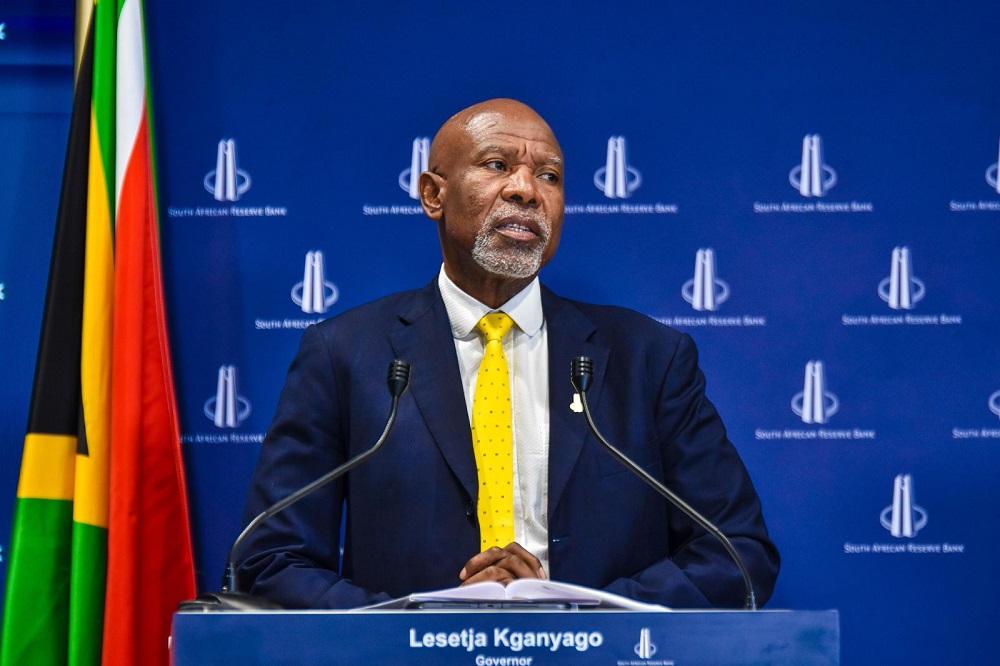
Reserve Bank Governor Lesetja Kganyago.
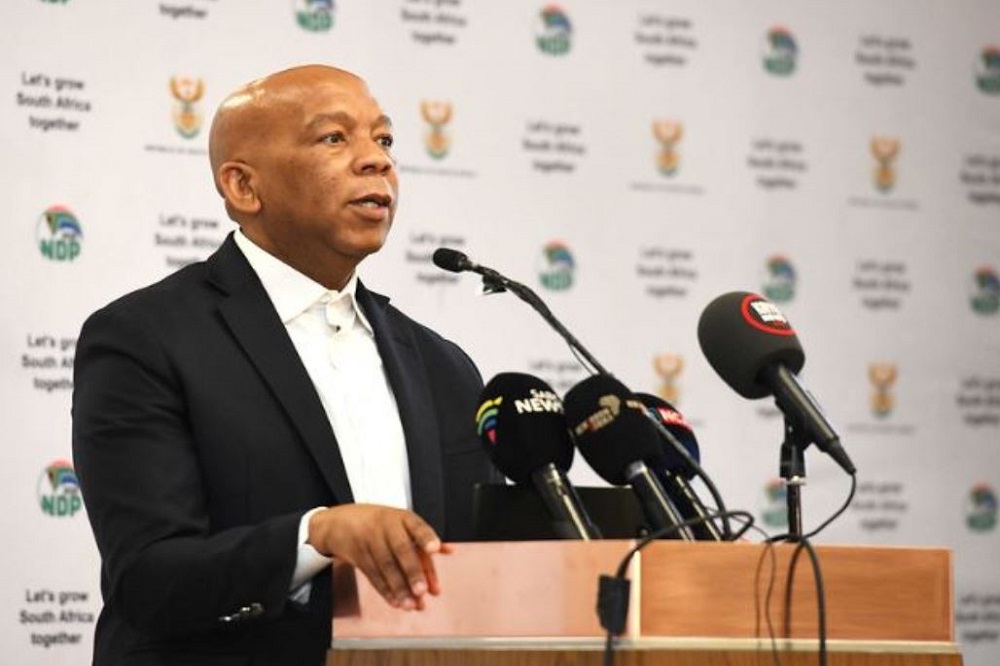
Reserve Bank Governor Lesetja Kganyago says the bank has decided to keep the repo rate steady at 6.75% amid steeply rising oil prices.
This means that the prime lending rate remains at 10.25%.
Kganyago says the bank is closely watching the effects of the oil price shock on the back of the conflict in the Middle East.
Speaking in Pretoria, Kganyago says, “Inflation was 3% for February, with core inflation also at 3%. This is precisely in line with our target. Higher energy prices will raise inflation in the near term. We expect that the headline will soon accelerate to around 4% with fuel inflation over 18% for the second quarter. Our baseline focus then has a gradual unwinding of the shock, taking inflation back to three per cent late next year.”
Kganyago says the bank’s scenario planning shows that inflation will increase if the Iran war persists, and in that case, the bank may need to increase interest rates.
“The fact is, we are still only a few weeks into this crisis. The coming months will be crucial for assessing the longer-term inflation consequences. Given current forecasts, we see inflation risks to the upside. Against this backdrop, the committee decided to keep the policy rate unchanged, at 6.75%. The decision was unanimous. In previous meetings, we warned of elevated risks, and we have been proceeding cautiously in our rate setting. Now a crisis has hit, this prudent approach is proving appropriate.”
BREAKING NEWS | The Reserve Bank’s Monetary Policy Committee has unanimously decided to keep the policy rate unchanged at 6.75%. pic.twitter.com/vI6z6kfQ8E
— SABC News (@SABCNews) March 26, 2026
WATCH | Reserve Bank Governor Lesetja Kganyago says: “If we were conservative, what we should have done in this meeting is to hike, and the fact that we decided to hold is consistent with what we said in the previous meeting.” pic.twitter.com/AgASgK5cuL
— SABC News (@SABCNews) March 26, 2026