




-
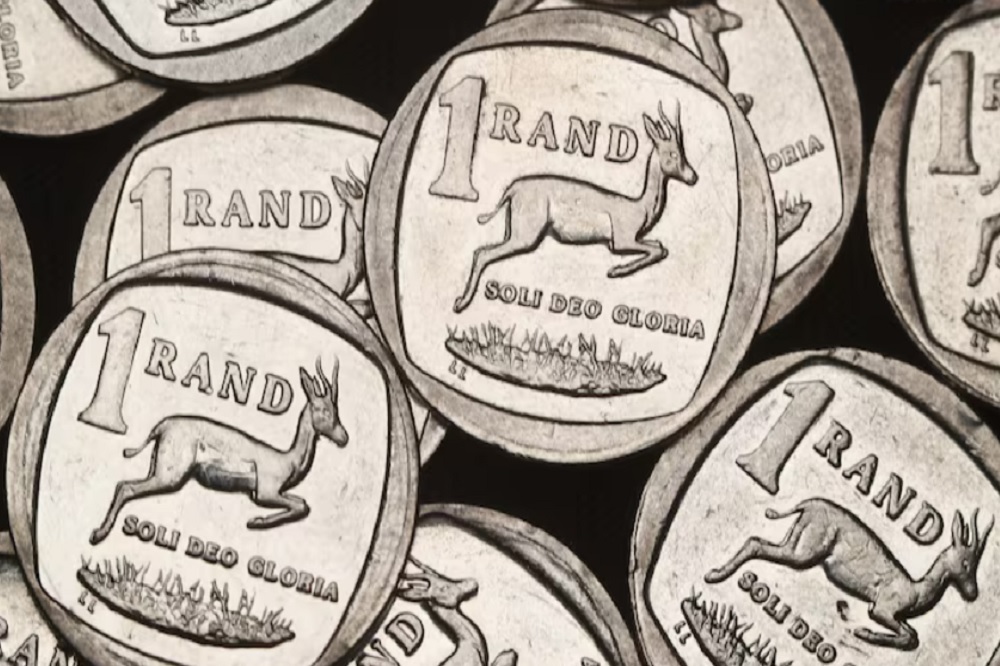
South African rand coins are seen in this illustration picture.
South Africa’s risk-sensitive rand firmed more than 2% in early trade on Wednesday, paring losses amassed since the start of the US-Israeli war on Iran after President Donald Trump agreed to a two-week ceasefire, easing fears of energy-driven inflation.
Trump’s turnaround came shortly before a deadline he had set for Iran to reopen the Strait of Hormuz – a key shipping route for about 20% of global oil – or face widespread attacks on its civilian infrastructure.
At 06’06 GMT, the rand traded at 16.45 against the dollar, roughly up 2.2% from Tuesday’s close and around its strongest level in almost a month.
The currency has been highly sensitive to swings in global risk sentiment since the conflict started on February 28, triggering Iranian retaliation and fuelling volatility across emerging markets.
News of the ceasefire capped weeks of market choppiness, sending oil prices tumbling below $100 a barrel and lifting assets in net-energy-importing nations like South Africa.
The rand had fallen nearly 6% last month, with economists expecting inflation to rise in the net energy-importing economy.
Meanwhile, the US dollar was little changed against a basket of currencies as investors awaited minutes of the Federal Reserve’s March policy meeting on Wednesday, and the upcoming US inflation indicators, including the Personal Consumption Expenditures and the Consumer Price Index data.
VIDEO | Iran, US agree to conditional two-week ceasefire