


-
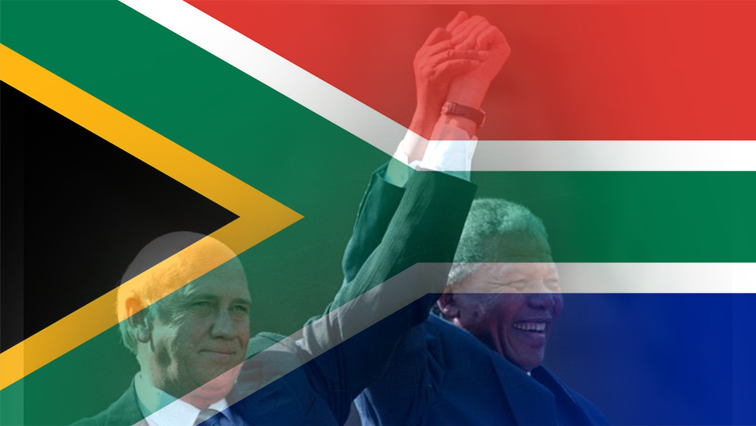
The Day of Reconciliation is marked every year in South Africa on 16 December.
As the country reflects 31 years into democracy, Parliament’s Portfolio Committee Chairperson Joe McGluwa has called on citizens to reflect on the country’s shared history and confront inequalities that continue to divide society.
Join the #ReconciliationDay2025 Commemoration on 16 December 2025 at Ncome Museum, KZN.
🕗 Gates open at 08:00 — bring your family and community along.
🚐 @HomeAffairsSA on Wheels will be on site, offering the following services: [1/3] pic.twitter.com/PTTKaJOUh3
— Department of Sport, Arts and Culture (@SportArtsCultur) December 15, 2025
South Africa will be marking Reconciliation Day tomorrow. The national commemoration of Reconciliation Day will take place at the Ncome Museum, in KwaZulu-Natal.
President Cyril Ramaphpsa will deliver a keynote address.
McGluwa says genuine reconciliation requires collective effort to build social cohesion, protect cultural heritage and create opportunities for all.
“The committee urges all South Africans to reflect on this day, on our shared history to confront and rectify the inequalities that still persist and work together to build a more inclusive and vibrant future,” says McGluwa.
He says the committee also remains committed to supporting each and every programme and institution that advance social cohesion, protect cultural heritage and promote opportunities for all.
Meanwhile, Democratic Alliance (DA) leader, John Steenhuisen, says reconciliation does not mean forgetting the past, but confronting it honestly while working to heal its wounds.
He has linked reconciliation to democratic participation, saying the 2024 elections showed the power of voters to open a new chapter in South Africa’s democracy.
“Reconciliation does not ask us to forget the past. It asks us to acknowledge it honestly and work hard to bind the wounds that it caused and build a future in which every South African can share on the promise of our democracy,” says Steenhuisen.
He says this year reminded us of true strength of that democracy.
“The power of the voter. In 2024 it was South Africans acting through the ballot box who opened the door for a new chapter in our country,” he adds.
RELATED VIDEO | Reconciliation Day buildup
The Economic Freedom Fighters (EFF), meanwhile, have rejected the idea that reconciliation has been achieved. EFF MP Chumani Matiwane says reconciliation without justice is meaningless, arguing that apartheid may have ended in 1994, but its economic, social and psychological scars remain deeply entrenched.
He says addressing the root causes of inequality is central to any genuine process of healing.
“The EFF still maintains that reconciliation without justice remains an empty gesture. 1994 did not alter the race relations or bring about any fundamental changes in the economic, the social and cultural structure that existed under colonial apartheid. For us to have reconciliation, we need to address the root causes of the challenges that are faced by our communities. The crime of apartheid might have ended in 1994, but the scars, the trauma that was left on the body of the Africans still remain.”
As South Africans prepare to gather at the historic Ncome site — the debate over reconciliation remains unresolved, with President Cyril Ramaphosa expected to set out government’s vision for unity, questions persist over whether reconciliation can move beyond commemoration to deliver justice, equality and lasting change.