


-
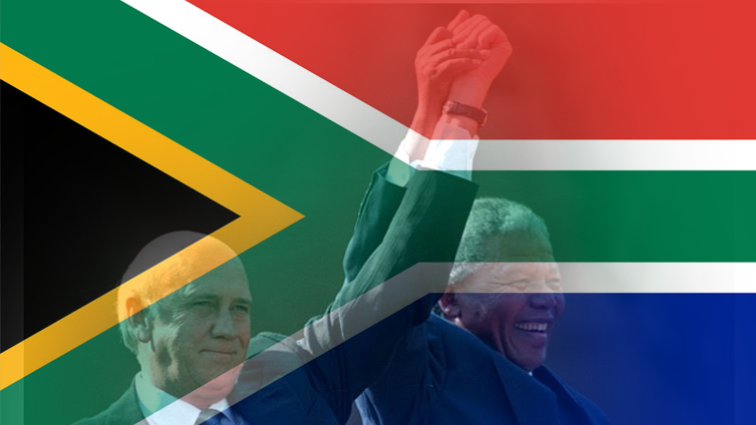
The Day of Reconciliation is marked every year in South Africa on 16 December.
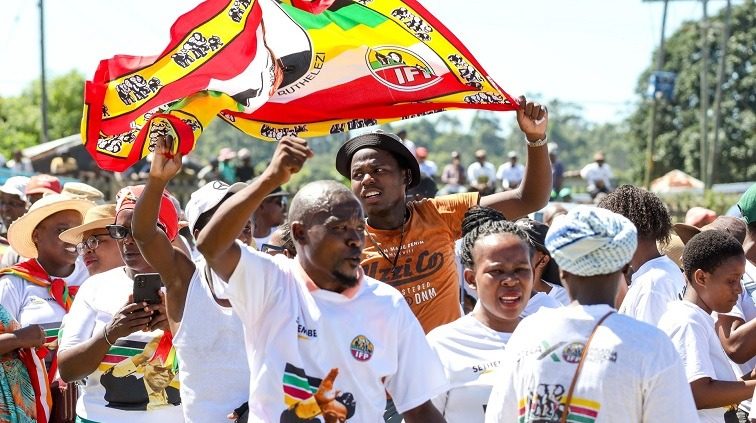
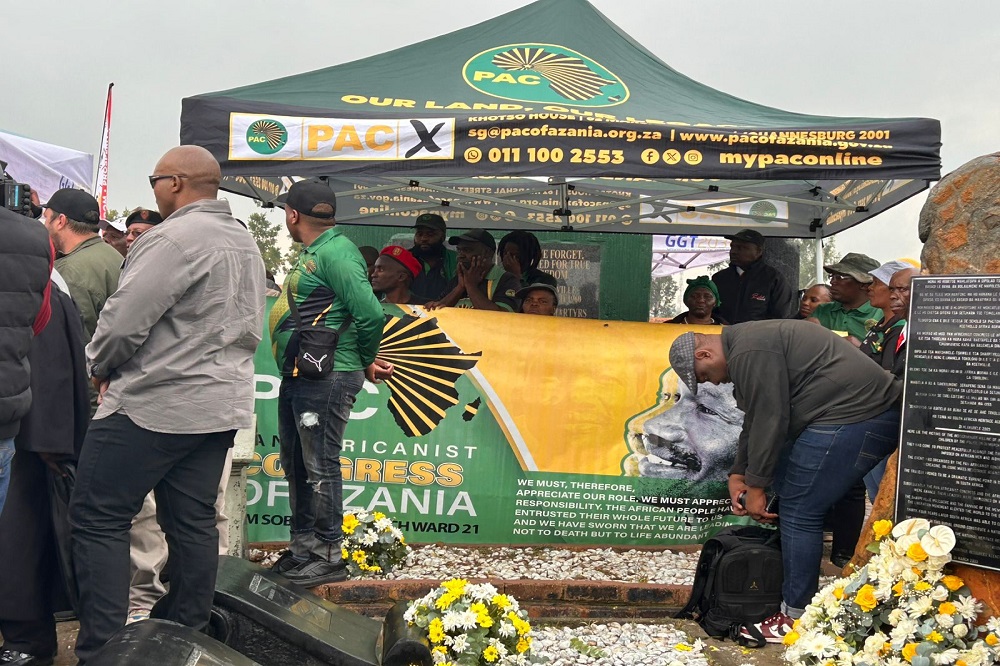
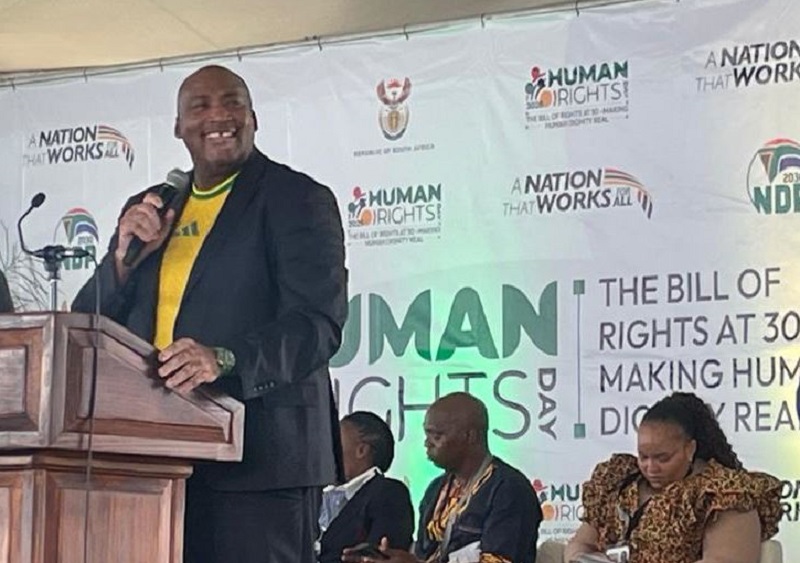
Political parties have delivered sharply differing messages as South Africa marks Reconciliation Day.
RECONCILIATION DAY | President Cyril Ramaphosa says former oppressors tried to turn South Africans against each other, fomenting violence, terror, and instability that tore communities apart. pic.twitter.com/noAIxjjOLw
— SABC News (@SABCNews) December 16, 2025
While some parties view the day as vital for unity and nation-building, others rejected the commemoration outright, arguing that reconciliation is impossible without justice and economic redress.
Parties including the United Democratic Movement (UDM), Build One South Africa, Rise Mzansi and the Pan Africanist Congress (PAC), say reconciliation must be understood as an ongoing process that requires honesty, dignity and the active participation of all South Africans.
UDM Secretary General, Zandile Phiri, says true nation-building requires citizens, not government alone.
“Reconciliation is not an event, but a lifelong commitment to justice, equality and unity. True reconciliation cannot exist without dignity. It lives in fair opportunity, honest governance and respect for one another’s humanity,” says Phiri.
In contrast, the MK Party and the Economic Freedom Fighters (EFF) say reconciliation cannot be celebrated while apartheid-era injustice, land dispossession and economic exclusion persist.
“Reconciliation cannot be commemorated in a country where black people are still denied of land ownership, subjected to high levels of unemployment and still endure hunger and poverty. Freedom remains unattained as long as the black majority remains economically shackled. True liberation will only be realised when the black child is born into dignity, security and opportunity,” says MK Party National Spokesperson, Nhlamulo Ndhela.
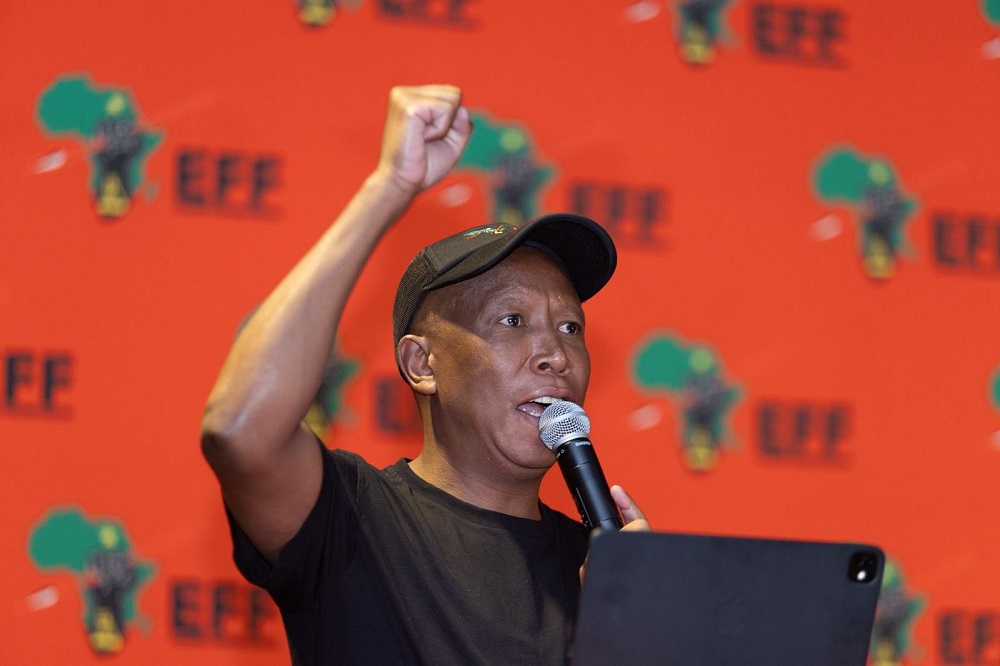
The EFF says the failure to prosecute apartheid crimes and deliver reparations has left victims without justice, warning that reconciliation without accountability entrenches inequality
“There can be no reconciliation while land remains stolen, while black people remain structurally excluded from the economy, while apartheid special planning continues to define where people live and die, and while white monopoly capital remains intact. Reconciliation cannot coexist with mass unemployment, deep inequality, and inherited racial privilege. The message of the EFF on this Day of Reconciliation is clear,” says EFF’s Central Command Team, Nqobile Mhlongo.
According to Freedom Front Plus Leader Dr Corné Mulder, reconciliation can coexist with the commemoration of Afrikaner heritage, arguing that respect for different histories remains key to social cohesion.
“Reconciliation Day and the annual commemoration of the 1838 vow are not in contrast, but complementary to each other. Both are possible, commemorating our vow and heritage and striving for reconciliation and respect for all cultures,” says Mulder.
[COMING UP] President Cyril Ramaphosa will deliver the keynote address at the National Commemoration of Reconciliation Day at the Ncome Museum in the uMzinyathi District in KwaZulu-Natal.#UpdateAtnoon #sabcnews pic.twitter.com/jNY6LlBYDl
— SABC News Radio (@SABCNews_Radio) December 16, 2025
As South Africans reflect on reconciliation, political parties remain divided on whether the country has done enough to confront its past and what justice and unity should look like in the present.
RELATED VIDEOS | South Africa marks National Reconciliation Day 2025