


-
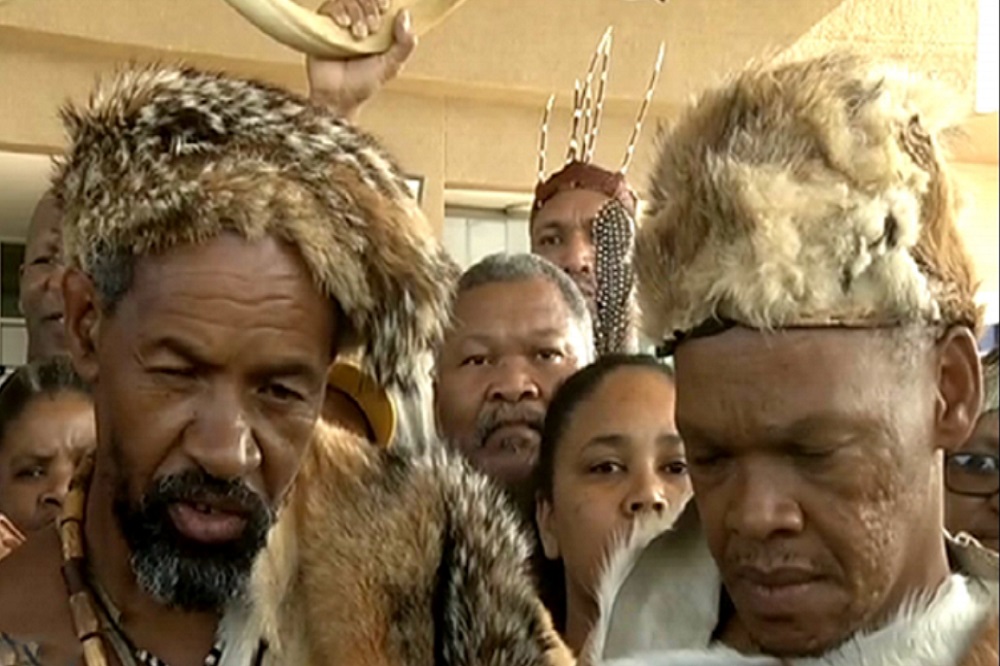
Members of the Khoi San community protest their exclusion from society.
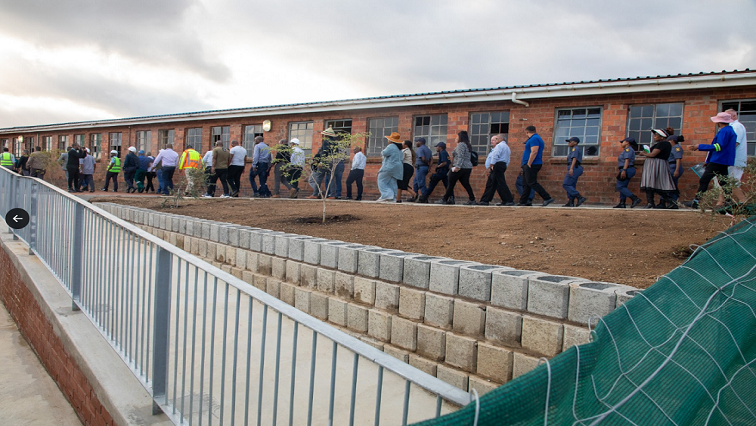
The Koranna clan of the Khoi and San People appeared before the Commission on Khoi-San Matters for the first time in Gqeberha, in the Eastern Cape. This marks a crucial move toward the formal recognition of their culture, identity and heritage.
The gathering also serves as a sacred moment of remembrance, honouring ancestors who fought to preserve their way of life and this signals a day of truth, justice and restoration for Khoi-San communities.
The main aim of the Commission on Khoisan Matters is to gather information on the people that make up the Khoi and San culture.
RELATED VIDEO | Khoi and San demand recognition of their rights, land territories
This is a major step towards recognition to ensure their culture is preserved. The commission will visit the five Khoisan groups, while gathering information. Commission chairperson, Nico Botha says they will work with local community structures.
“It is to gather data on the local community structures. What are those structures, who are the leaders of those structures, are they hereditary or elected? Secondly we will also be looking to compliance with what is contemplated as criteria to the Act for example, what is the measure of self-identification in this instance the Koranna? Why do they say I am Koranna or we are Koranna?”
The Khoisan are made up of five groupings: The Koranna nation, the Cape Khoi, Nama, the San and Griqua. Principal Chief of House of Klaas and Dawid Stuurman, Edward Stuurman highlights the importance of the Khoisan history.
“The Khoi and San descendants are still alive. That those people who suffered the genocide of colonialism and then into apartheid is still alive, and I think that is so important for the rest of South Africa to acknowledge the Khoi and San as a cultural grouping and that their restoration is very important for the country as a whole because we cannot ignore what is written in history,” says Stuurman.
The Commission’s findings will go directly to the Corporate Governance and Traditional Affairs ministry.
“If it goes well we can gather data that is credible and reliable, that is verifiable. It might be on the basis of this investigation that the commission will be able to sit down and draft recommendations to the minister that our people can get recognition. They have been waiting for a very long time,” adds Botha.
The Commission will sit until Friday in closed sessions to investigate the matter.
VIDEO | Khoisan communities demand recognition