



-
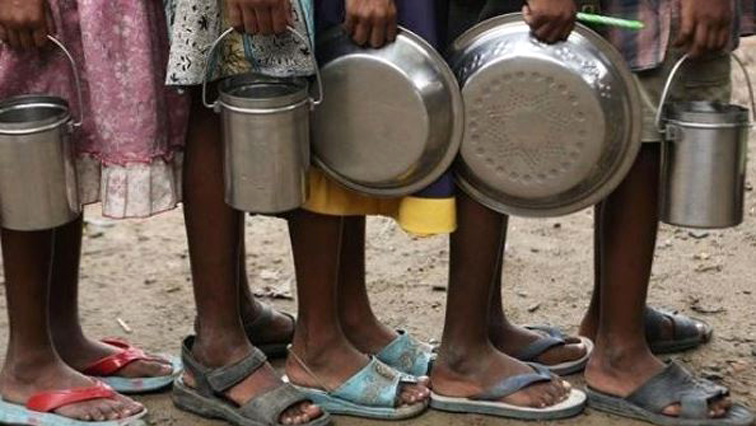
Children queuing for food.
The war in Iran is likely to worsen the cost of living crisis poor South Africans find themselves in already.
Pietermaritzburg Economic Justice and Dignity Programme coordinator Mervyn Abrahams says the % increase in electricity prices later this year effectively cut the increase in the National Minimum Wage to below the inflation rate.
Abrahams says the poor cannot tighten their belts any further and cannot afford nutritious meals.
Abrahams says this leads to malnutrition, as well as stunted growth and brain development among children, locking them into a cycle of poverty.
“So, most women tell us when they cannot afford to buy staple foods, forcing them to cut back on the amount of food they eat. So, instead of having three meals a day, they then get two meals a day, and sometimes just one. What they also do is they might buy maize, because it’s a staple, it makes you feel full. But because maize has become so expensive they can no longer buy spinach or they can’t buy tomatoes,” says Abrahams.
Abrahams warns that the increase in food production costs like fuel and fertilizer will likely be felt for another planting season of 3 to 6 months after a peace deal is brokered in the Iran war.
He says they will be asking the Competition Commission to keep a close watch for inflated prices.
“And our past experience in South Africa, when we’ve had price shocks like with petrol prices going up and then food prices going up, is that it takes a very long time for those prices to come down. In fact, more often than not, it doesn’t come down, it stabilises at that higher level. So, we are going to have to monitor how long these prices stay at an inflated level. And we also have to caution retailers not to use this opportunity to increase prices in an opportunistic way,” he says.
Trump announces 10-day pause on attacks targeting Iran’s energy infrastructure: Sherwin Bryce-Peasehttps://www.youtube.com/watch?v=_RkdsVCNdW4