
-
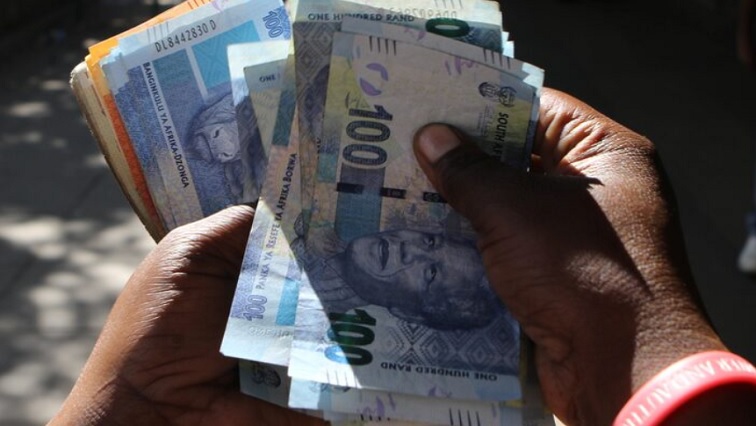
A street money changer counts South African rands.
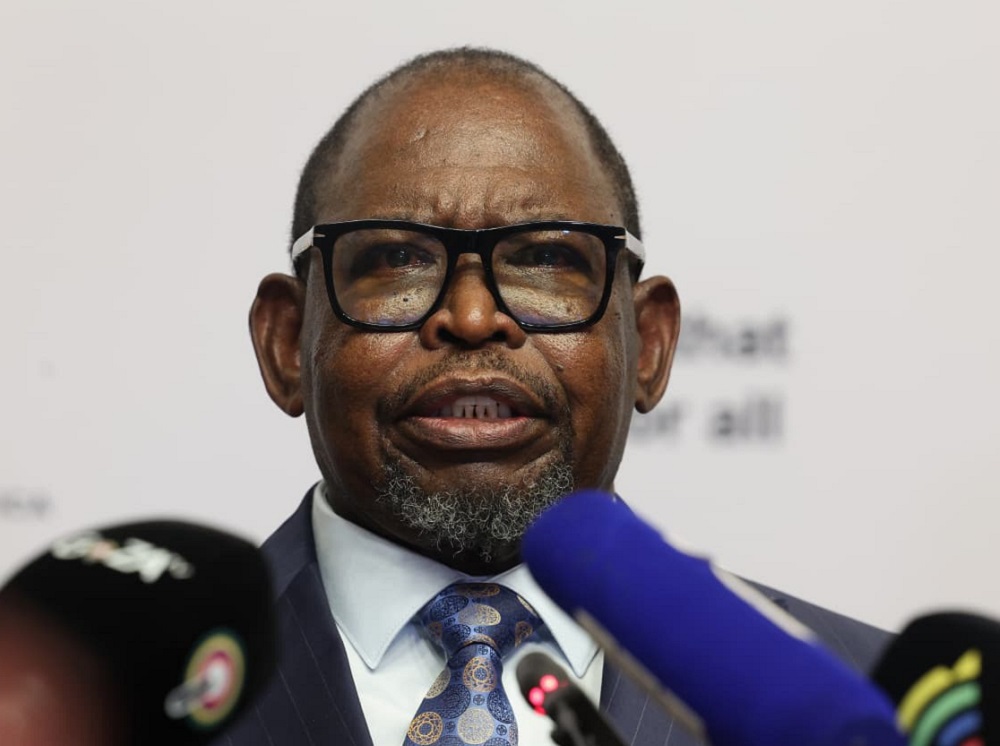
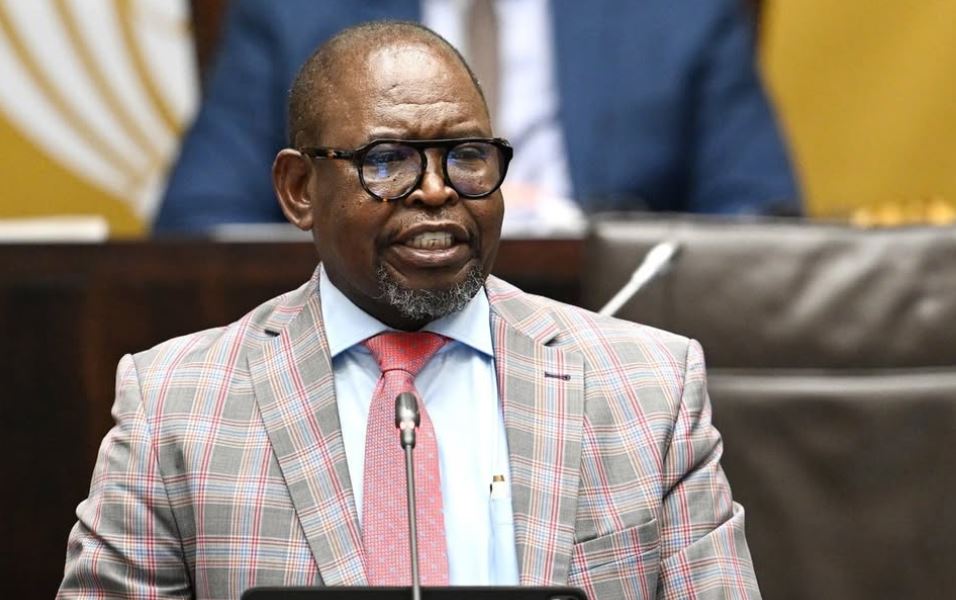
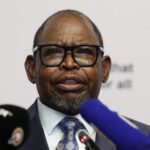
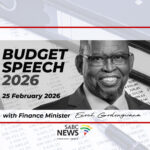
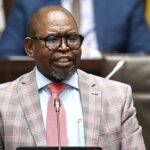
Finance Minister Enoch Godongwana will take the nation into his confidence on Wednesday on how the National Treasury plans to raise additional revenue, allocate its limited resources to many of government’s priorities, balancing between the social wage and infrastructure spending.
Godongwana will shed some light on whether it is still on track to whittle down the nation’s sovereign debt and, importantly, the annual debt service costs.
The big question on taxpayers’ lips is whether the South African Revenue Service (SARS) will be taxing them more and how.
In the Medium Term Budget Policy Statement (MTBS) announced in November last year, the Finance Minister did indicate that National Treasury had pencilled in the possibility of raising a further R20 billion in revenue in the February 2026 budget, but that that would be subject to how well SARS did in terms of extracting old tax debt owed to it.
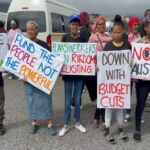
Budget 2026 | Expectations from Capetonians ahead of Budget Speech:
https://www.youtube.com/watch?v=PLE0mXeSDoQ
According to PWC Head of Tax, Kyle Mandy, SARS has reported higher than expected revenues coming in on a monthly basis, which may result in National Treasury’s original revenue target being exceeded in the 2025/26 fiscal year.
“There’s a good chance that the R20-billion worth of tax increases that were pencilled into last year’s budget for this year will not go ahead or, at least, not go ahead to that same extent. So we’re pretty hopeful that we’ll see some relief insofar as the pit is concerned for fiscal drag, hopefully full relief, but at the very least partial relief.”
Mandy believed that National Treasury would possibly up the general fuel levy in line with inflation, with the sin taxes also likely to go up.
But when asked whether a new wealth tax could be on the cards in South Africa, Mandy was convinced that that’s definitely not on the horizon.
“I don’t think so. The Minister has been very clear in terms of his position when it comes to net wealth taxes. We do have a lot of other — what we put in the bucket of wealth taxes — things like estate duty, donations tax, transfer duties themselves, securities transfer taxes — those are all wealth taxes because they are levied on the value of property at the end of the day,” explains Mandy.
Budget 2026 | Finance Minister Enoch Godongwana to deliver Budget Speech:
https://www.youtube.com/watch?v=hpJYX8BbRHs
In the Medium Term Budget Policy Statement (MTBPS), National Treasury pegged that growth would average 1.8% over the next 3 years, pegging growth at 1.2% for 2025.
At best, PWC’s chief economist Lullu Kruger says she expects economic growth to come in between 1.5 and 2.0% over the medium term, saying that higher estimates of around 3.5 to 4.0% are overly optimistic.
She attributes this to much more work needing to be done in the area of actualizing structural reform.
“There are a few things that need to come into play for that to happen. I think one of the things that we need to sort out is some of our logistical challenges. Also an important factor is if we’re able to benefit from the commodity price cycle that we’re seeing now; elevated commodity prices, if we’re able to invest back into the economy, finally get beneficiation going etc.”
Momentum Investments’ Chief Economist, Sanisha Packirisamy says she will be looking to see how the promises around infrastructure, made in the State of the Nation Address (SONA), would translate in the national budget.
“I think one of the key angles that the market will be looking for is how the information from the State of the Nation Address starts to translate into actual spending on infrastructure programmes. We’ve heard a lot about what the aim is in order to crowd in the private sector, including the foreign market on infrastructure. But now it’s time to actually see that in the numbers and what is actually allowable in our fiscus,” adds Packarishimi.
In the SONA speech, President Cyril Ramaphosa indicated that there was a plan for the Social Relief of Distress Grant to be redesigned to better assist with livelihoods and help, particularly young people, in seeking skills development and jobs.
While welcoming the idea, Packirisamy warned that this might be a tall order, given limited fiscal space.
“We know that the SRD worked, in that it pulled millions that were unemployed out of poverty, but at the same time, we also have to ask ourselves is it affordable for our fiscus and, given that we don’t have any more new revenue streams to potentially tap, given where the consumer is, it does mean that we either have to raise revenues, we have to cut expenditure or we have to see the debt ratio going up.”
“None of those options are very attractive which means that we have to start re-looking at how the SRD grant works and how it ties in with employment opportunties. So trying to make it a bit more conditional, also trying to amalgamate all of the government programmes that are currently running, is definitely a step in the right direction,” she adds.
Ultimately, the experts said they were pinning their hopes on the structural reform agenda, through initiatives like National Treasury and the Presidency’s Operation Vulindlela, to help propel material economic growth in the years ahead as this is said to be the main solution to alleviating many of the country’s socio-economic woes, including bringing down the country’s debt levels relative to GDP.
Budget 2026 | Budget 2026 preview:
https://www.youtube.com/watch?v=tyt20SnihZk