



-
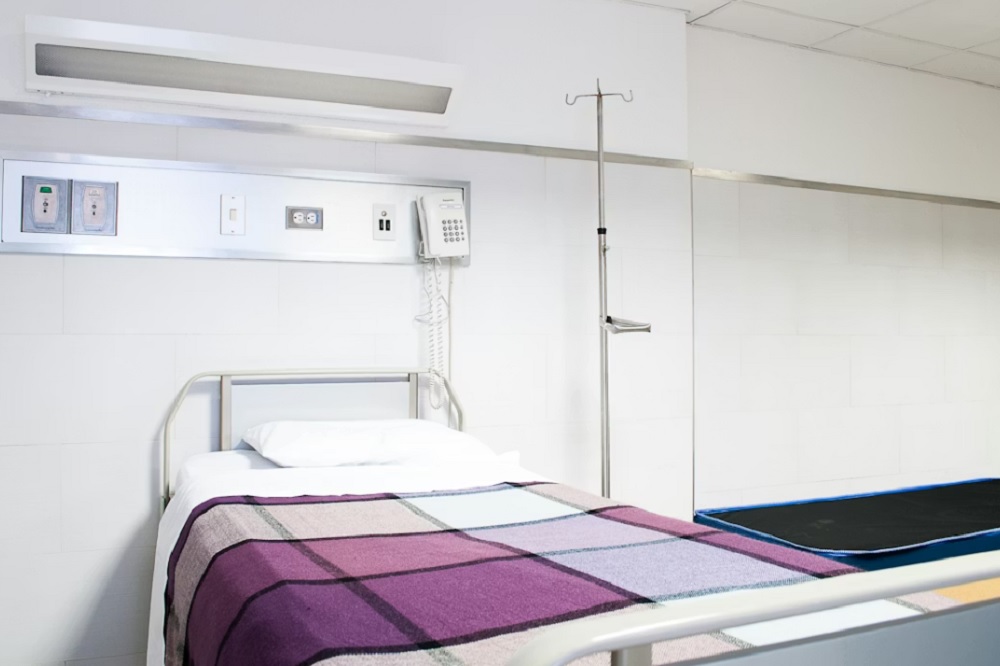
An empty room at a health facility.
On World Health Day, there has been a call for more public and private-sector participation in sustaining non-profit organisations (NPOs) in the healthcare sector.
Non-profit organisation, Inyathelo, which provides administrative and institutional support to thousands of non-profits located in 33 countries around Africa has pushed for this call.
Inyathelo, based in Cape Town, was founded in 2002 to provide research, training and multi-faceted forms of support to non-profit organisations across the African continent.
The NPO has raised concerns on the sustainability of South Africa’s healthcare sector through the work of NPOs themselves.
Inyathelo has warned that ongoing international funding cuts, including from USAID and PEPFAR, have affected the sector in South Africa.
“In recent research conducted, 2025-2026, we’ve seen the impact, at least 8,000 healthcare jobs were lost. Organisations are scrambling, not the just the health sector; across the board, whether you’re a youth organisation, whether you’re in Early Childhood Development, whether you’re working a feeding scheme, the COVID feedings schemes. We thought we’d set them up so they could exist in perpetuity. A lot of them no longer exist,” says Acting Executive Director of Inyathelo, Feryal Domingo.
St Luke’s Combined Hospices – a non-profit group that provides hospice and palliative or end-of-life home-based care across centres in Cape Town – is also concerned about the donor ecosystem that they rely on.
“Unfortunately, we’ve not yet successfully been able to attract government funding, neither through the Department of Health and Wellness nor the Department of Social Development. As a not-for-profit company, we are constantly looking for innovative and creative ways to raise funds. In South Africa, on average, there about 300,000 NGOs and essentially, we all are looking for funding to do the good work we are doing. There is such a concept called ‘donor fatigue’, where there’s a number of NGOs like ourselves tapping into the same resources and there’s only so much of money that can go across the country. The geopolitical situation that’s currently a global concern is something that may impact on us and we are proactively looking at that and for example – should there be a fuel shortage, how would our work play itself out,” says CEO of St. Luke’s Combined Hospices, Dr Ronita Mahilall.
Domingo adds that mental burnout for frontline healthcare workers is also a concern.
“NGOs are so vulnerable: if they put out there that they are at risk, then donors wouldn’t want to fund them any longer. So that image of wanting to present the strength for the sector and it’s not working because you are breaking down.”
Inyathelo warned that without urgent intervention from local philanthropists and the private sector to bridge this funding cliff, the gains made in public health over the last two decades could be reversed.
-Report by Tando Ntunja