





-
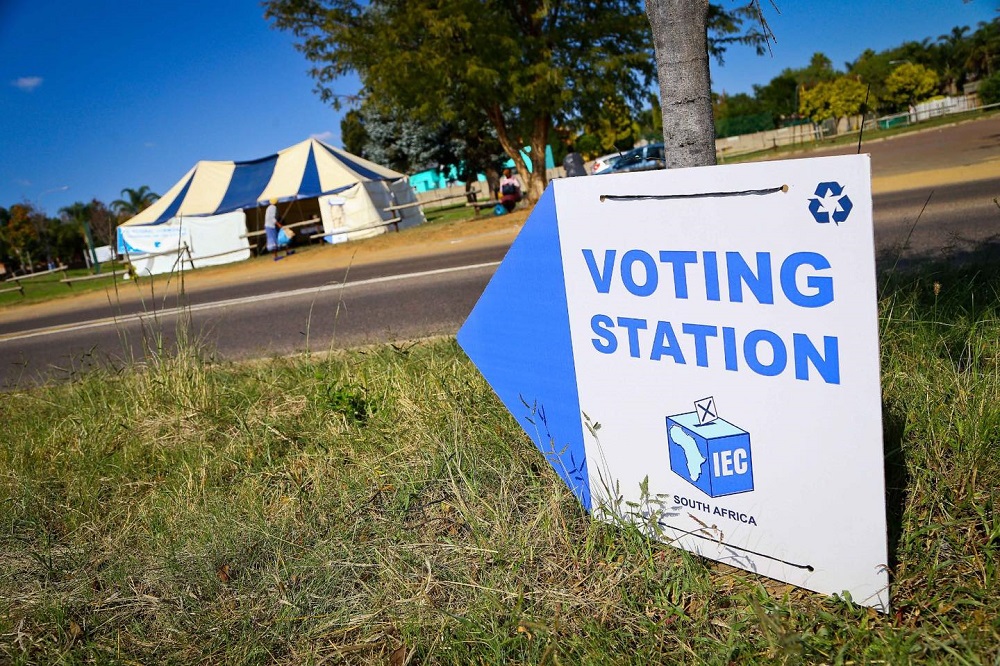
[FILE] IEC voting station.
The Electoral Commission (IEC) says strengthening public trust in elections remains a challenge, despite much progress.
The IEC, alongside the Electoral Commission’s Forum of SADC Countries and International IDEA, is hosting the 13th New Commissioners’ Orientation Programme in Johannesburg.
The three-day programme is designed to equip newly appointed electoral leaders with the governance, leadership and crisis-management skills needed to deliver credible, transparent and peaceful elections.
IEC Chairperson Mosotho Moepya says the initiative also strengthens regional cooperation and democratic institutions across Southern Africa.
“There is a cross‑pollination that takes place when we have an occasion such as this event. But also, we are sending a very strong message to our own, you know, colleagues in our countries, to our voters, to our governments, that we are united in SADC in seeking the good for democracy in our region. We work together. We accept that no one can develop and be an island of expertise, of excellence, if the others are left behind. So we want to rise and rise together.”
Deputy Minister for Justice and Constitutional Development Andries Nel has stressed the central role of electoral credibility.
“The SADC region has, over the years, made commendable strides in advancing constitutional democracy, political stability, and electoral governance. Elections have increasingly become the accepted mechanism through which citizens express their sovereign will and determine the direction of governance in their respective countries. However, the credibility of elections remains the cornerstone upon which democratic consolidation rests. Credible elections do far more than produce governments. They build public confidence in democratic institutions, strengthen social cohesion, promote peaceful political participation, and reduce the likelihood of conflict and instability.”