






-
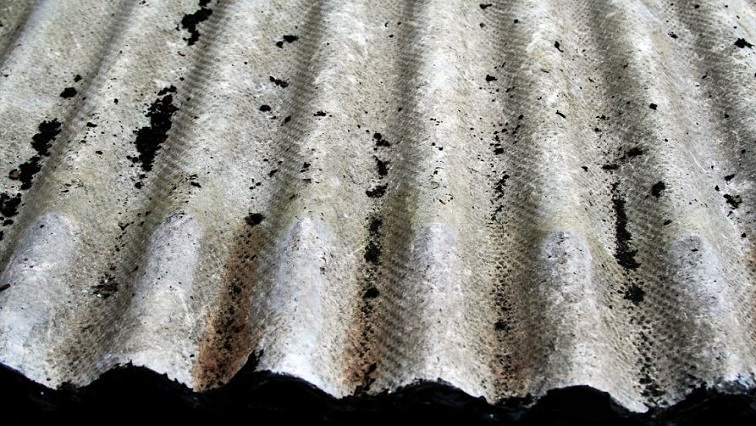
Corrugated asbestos cement roofing.
Community members in the Mafefe area, outside Lebowakgomo in Limpopo, are facing a serious health crisis due to asbestos contamination in local rivers and streams. The water has tested positive, according to an independent company, AssureCloud.
Contamination is allegedly linked to an abandoned rehabilitation project of the old asbestos mine by the Department of Mineral Resources. Residents now fear for their health. The recent rains have swept some asbestos stones and contaminated soil near rivers or streams.
They are a source of water for many residents. Asbestos is a known health hazard, and its use has been banned in South Africa.
The 18 accused in the R255-million asbestos roof removal scandal are expected to return to the Free State High Court for another pre-trial hearing on Monday. pic.twitter.com/q0m2Rn3Q5g
— SABC News (@SABCNews) March 2, 2026
The abandoned asbestos rehabilitation project in the Mafefe mountains, has left asbestos stones and fibers, lying bare on the on the ground, putting people’s lives at risk.
Asbestos, a known health hazard, has been banned in South Africa, due to its link to serious health issues, including lung diseases such as asbestosis and cancer. The mineral was mined to produce various products, including roof-sheets, water pipes and used as an insulator due to its heat resistance.
AssureCloud, a laboratory company, has taken water samples from the Mohlapitsi and Ngwaname rivers, at the cost of the community. They say the water in the rivers tested positive for asbestos.
“The contamination is not only affecting our community, but also the community of Mafefe, as we are drinking the same water flowing from the contaminated stream. It does not affect us alone; it also impacts the mining community. We have an organisation called the Lebalelo Water Association, which supplies water to mines in eastern Limpopo, and we believe this contamination could affect them as well. Once water samples test positive for asbestos, it can spread through the river to areas where people use the water for drinking, washing, and other purposes,” says Traditional leader, Kgoši Maafeefee Thobejane.
Kgoši Thobejane also indicates that a group of people have sabotaged the asbestos mines rehabilitation project by demanding to be sub-contracted and the employment of certain people.
“The steps we have taken include writing to the department, but it has not responded. We also wrote to the Premier, who assigned MEC Matibe to investigate the issue of alleged sabotage of service delivery by mafias. We are still looking for someone to come to our rescue, as we cannot leave such hazardous material exposed,” he says.
Kgoši Thobejane says that they are only demanding that the project be completed because they cannot leave it open.
The Free State High Court will on Monday hear Moroadi Cholota’s application for leave to appeal the dismissal of her bid not to be prosecuted in the R255 million asbestos roof removal case. pic.twitter.com/YUJMcPl9Bi
— SABC News (@SABCNews) March 16, 2026
“It is very dangerous for our livestock, as they drink water from the streams. Tomorrow, you could hear that the entire community has been affected by asbestos,” he adds.
“It is also the responsibility of the department to initiate a programme where we are tested for asbestos, as it causes very serious diseases. This is not something you can be exposed to and remain unaffected, you must understand that it is a life-threatening situation,” says Kgoši Thobejane.
The asbestos contamination in Mafefe is a legacy of the apartheid-era asbestos mines that operated in the area. Despite the mines closing in the 1970s, the community continues to face the devastating consequences of asbestos exposure.
Residents are worried about their health and have expressed fears about the long-term effects of asbestos exposure.
The Department of Mineral Resources has confirmed that it has suspended the asbestos rehabilitation project at Eaton Asbestos Mine in Mafefe, through its implementing agent, MINTEK. It says this is due to an ongoing disputes between the Mafefe Traditional Council and the ward councillor, which have created uncertainties and constraints that make it impracticable to proceed with the project at this time.
It says that until the matters in dispute are fully resolved and clear direction is provided the project will remain suspended.
The community of Mafefe is calling on the national government to intervene and revive the project to protect the people from asbestos. They say that they will take legal actions to compel the department to rehabilitate the area.
RELATED VIDEO | Asbestos trial accused may not recover seized assets