






-
Sanitary pads
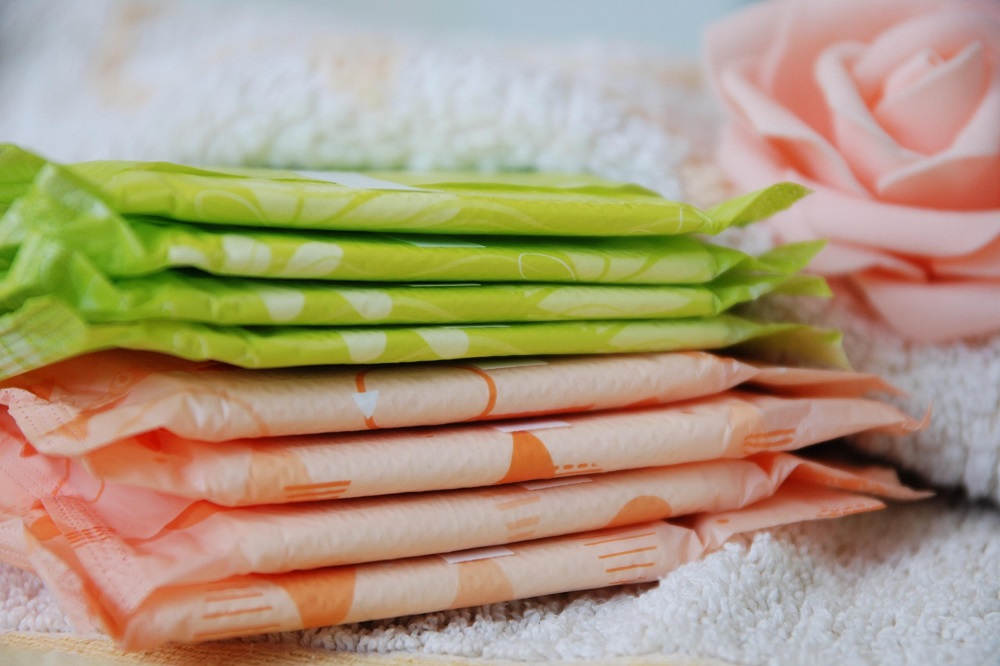
A new study by the University of the Free State has found that some sanitary pads and pantyliners sold in South Africa contain hormone-disrupting chemicals, even those that are marketed as free from harmful chemicals.
The study shows widespread contamination across 16 brands of sanitary pads and eight types of pantyliners.
It focused on three groups of endocrine-disrupting chemicals and found that every single pad and pantyliner contained at least two of the targeted substances.
Although the chemicals were detected in low concentrations, researchers warn that long-term exposure raises serious health concerns and warrants urgent attention.
Head of the UFS Chemistry Department, Professor Deon Visser says the problem is that many of them look very similar to hormones.
“That means when they are getting inside your body, your body start to get confused, it blocks the normal hormones, and it might lead to several different disorders, including things like infertility, endometriosis. That’s what studies have found, and some cancer in some instances. We looked for those chemicals across all the disposable pads,” says Visser.
Video| UFS study finds chemicals in pads:
Additionally, researchers say women need more options for sanitary products.
The research has sparked a debate, and the university says it’s also looking to develop safe sanitary towels. The researchers say reusable sanitary towels are a better option.
Visser further says many current options are not viable.
“Because we are not just talking sanitary pads, we are talking baby nappies as well, and that is even more. A baby uses a nappy every day for at least two years, so think about that, if I go with international studies, I have got bad news, international study shows that some of them even contain metals on top of everything. I don’t want to make people run away but we will test them,” adds Visser.
PODCAST| Hormone-disrupting chemicals found in pads and pantyliners: