


-
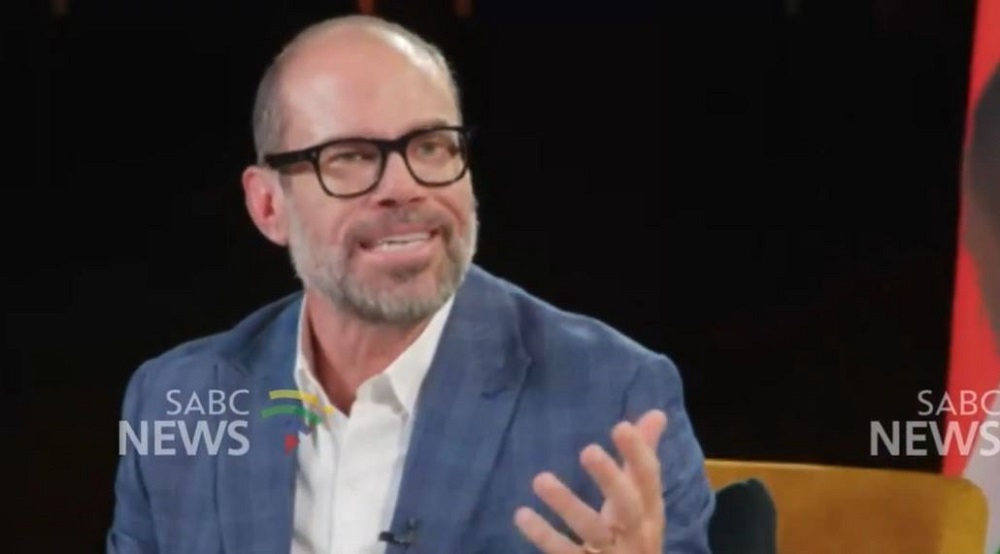
Pastor Joshua McCauley of Rhema Bible Church
As South Africa reflects on 32 years of democracy, the role of the church in shaping moral values, social cohesion and community development is once again under the spotlight.
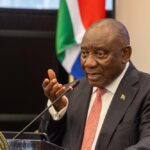
In his State of the Nation Address on Thursday, President Cyril Ramaphosa reaffirmed the importance of social partners in nation-building, calling for ethical leadership, accountability and collective action to confront the country’s deepening social challenges.
However, questions persist about the place of churches in a modern democratic society, balancing spiritual leadership, community impact and growing calls for accountability and regulation.
Rhema Bible Church is one of South Africa’s most influential and recognisable megachurches, with a national and international footprint.
For decades, the church has played a central role in South Africa’s social and political landscape, providing spiritual guidance, moral leadership and community support.
During the struggle against apartheid, religious leaders stood at the forefront of resistance, helping to mobilise communities and shape the country’s democratic transition.
Today, however, churches are grappling with shifting societal expectations, declining public trust in institutions, and increasing calls for accountability.
Church’s role in moral regeneration and community development under spotlight
https://www.youtube.com/watch?v=ZoQJ_ViK7AY
Pastor Joshua McCauley of Rhema Bible Church says the church once occupied a central role in shaping national values, a position he believes has weakened over time.
Founded in 1979 by the late Pastor Ray McCauley, the church has grown into a congregation of more than 45 000 members.
Rhema has played a significant role in faith-based social development, national dialogue, and South Africa’s transition to democracy, cementing its credibility and prominence in the country’s religious and public life.
In an SABC exclusive, Pastor Joshua McCauley speaks about the role of the church and government in modern society and calls for the church to be regulated, as well as the state of healthcare, education, service delivery, and unemployment.
“If you look at government’s resources and the church’s reach, I would welcome a conversation about how we can support one another. We are in the community and we know the people.
“A pastor leading a church in a township knows the families and the children. If government partners with them on education or community programmes, they will know which children are studying, struggling, or at risk of crime. The church can be a valuable partner.”
Pastor McCauley explains, “Government needs to return to getting the basics right. To see change in employment and society, we must fix healthcare, sanitation and water delivery, power, transportation, and especially education. If we get the basics right, resource the police, secure our borders, and educate our people, upliftment will follow.”
As South Africa reflects on more than three decades of democracy, the evolving relationship between church, state and society continues to raise critical questions about responsibility and accountability in a rapidly changing nation.
– Reporting by Luyanda Danca