-
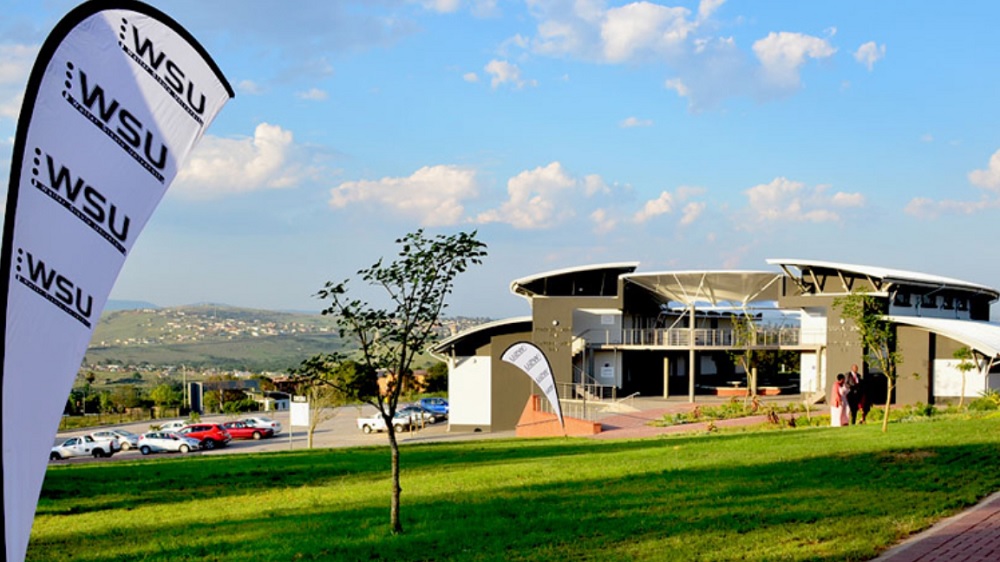
One of the WSU campuses
The Students’ Representative Council (SRC) at the Walter Sisulu University (WSU), in the Eastern Cape has refuted assertions by the institution’s management that the institution is ready to commence the 2026 academic year.
The student body says the institution has not concluded critical maintenance of some lecture halls and accommodation at its campuses, and that this will have a negative impact on the seamlessness of the academic year.
The institution presented its state of readiness report, for this academic year, to the Parliamentary Portfolio Committee at its Komani campus, in Whittlesea in the province.
WSU currently has more than 27 000 registered students, with more than 23 000 being funded students. The institution claims study material is ready and curriculum and the approval by the senate has already been done ahead of the commencement of academic activity.
Although the university says it is prepared for the academic year, student representative Mvelo Abenta says issues of academic exclusion of some students, weakened security force in its institutions and the poor state of student residences have not been resolved.
“The institution is still doing maintenance, has not addressed issues relating to National Student Financial Aid Scheme (NSFAS), security detail has been reduced in some universities,” says Abenta.
The institution has received more than 577 000 applications for this academic year but only managed to accept just above 7 000 first year students. The university council attributed the hindrance to government’s delay in approving the institution’s online learning enrolment.
WSU council chairperson, Thembeka Ngcukaitobi, says the system in place creates a problem in accommodating the influx of students.
“The issue of capacity limits the institution from producing good quality students, and it is the intention of this institution to ensure the intake and upskilling of students in the Eastern Cape,” he says.
Parliament Portfolio Committee chairperson, Walter Letsie, says there is a breakdown in communication between the institution and the Department of Higher Education and Training, a communication barrier that it will thoroughly investigate.
“The Deputy Director General of the department has not been in contact with both the committee and the institution to accelerate some of the demands of the institution. He has been making excuses to come to the committee but he needs to be brought for accountability,” says Letsie.
Walter Sisulu Vice Chancellor Dr. Thandi Mgwebi, who assumed office late last year, says the challenges expressed by students are not new to management and they are part of the long-term recovery plans of the institution.