






-
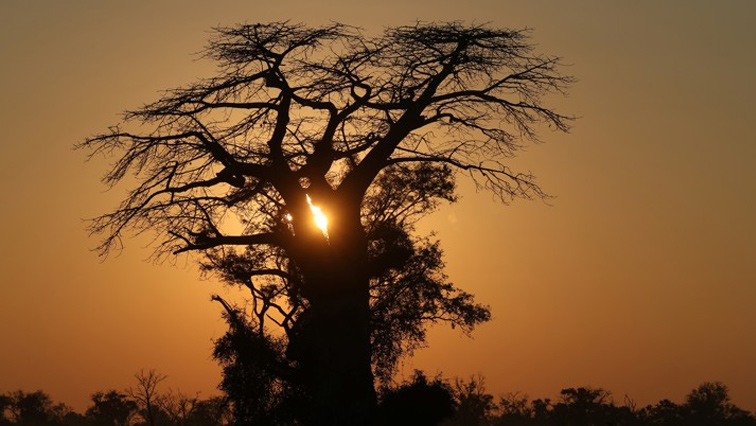
The Baobab tree, which is mostly found the Vhembe and Mopani districts of Limpopo, can survive for up to 2 500 years.
A Limpopo-based traditional herbalist Mpho Makhado is calling for stronger collaboration between the formal health system and the indigenous knowledge system to help address the country’s health challenges.
Makhado has recently completed the production of high-quality baobab seed oil, widely known for its skincare and cosmetic benefits.
The oil has been approved by the Council for Scientific and Industrial Research (CSIR).
Makhado says indigenous knowledge can complement conventional medicine.
“There is a need for the Department of Health to fully recognise a traditional or indigenous knowledge system because that’s the system that can help people, and we already started with the Institutes of higher learning and all the innovation centres that we have. We are utilising those like your TIA, your CSIR, and the universities to make sure that this knowledge doesn’t get buried, because where we are, the indigenous knowledge system is getting buried.”
CSIR Technologist Pollen Nkuna says scientific research into traditional medicinal plants can lead to the discovery of new drugs and treatments.
Nkuna explains the process used to extract oil from the baobab seed: “We’re using it from the raw seeds, and then we do the whole value chain. We press the seed using different techniques that are advanced for better yield. Once that seed is pressed, we have a crude, so that crude, we then treat it, and then it becomes clear. That clear crude can then be applied to existing products, or it could also be used to formulate new products from scratch.” -Reporting by Nsuku Shiluvana.
VIDEO | Limpopo herbalist calls for traditional medicine integration:
https://www.youtube.com/watch?v=TEcJzAMIJKM