-
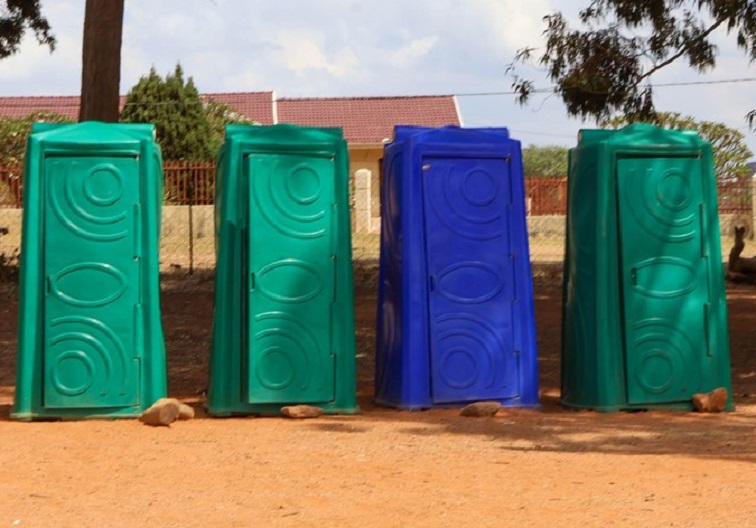
FILE | Mobile toilets
A special tribunal has ordered that 16 officials of the KwaZulu-Natal Department of Education face disciplinary action for being implicated in the unlawful awarding of a multi-million rand chemical toilet contract.
The Special Investigating Unit found that the contract valued at more than R2.5 million was irregularly awarded in June 2020 and unlawfully extended.
The contract was to supply 72 chemical toilets to 11 schools after the lifting of the national lockdown during the COVID-19 pandemic.
The probe found that 16 officials did not follow supply chain management processes in the awarding of the contract to the service provider – Hawulethu.
The tribunal declared the contract unlawful and set aside its awarding to the company, ordering it to repay the money back.
SADTU provincial secretary Nomarashiya Caluza, “The department will have to comply in terms of ensuring consequence management. We have checked with the department when we saw this and the department is indicating that already they have engaged with some of these people who are still with the department and explained as to what happened.”
Meanwhile, the National Professional Teachers’ Organisation (NAPTOSA) in KwaZulu-Natal says the ruling sends a clear message that public officials must be held accountable for violating procurement processes.
NAPTOSA’s provincial CEO, Thirona Moodley says corruption, negligence and the deliberate flouting of supply chain regulations undermines the provision of quality education.
“Wasteful and irregular expenditure of this nature is unacceptable, especially in a department that is already deeply cash-strapped and struggling to meet basic infrastructure, staffing, and resource needs. Every rand lost to corruption is a rand stolen from learners, educators, and communities who rely on a functional public education system. NAPTOSA therefore fully supports the Tribunal’s order for disciplinary action, the recovery of all unlawfully obtained profits, and the enforcement of consequence management at the highest administrative levels.”
#SIUWorkingForYou| KZN EDUCATION MEC ORDERED TO DISCIPLINE 16 OFFICIALS INVOLVED IN THE AWARDING OF R2.5 MILLION IRREGULAR MOBILE TOILET CONTRACT FOR SCHOOLS
The Member of the Executive Council (MEC) of Education in KwaZulu-Natal has been ordered by the Special Tribunal to… pic.twitter.com/NRxAJAjrbQ
— Special Investigating Unit (SIU) (@RSASIU) December 8, 2025